Pet Insurance: The Decision That Gave Me More Time With My Dog
Nearly seven years of paying for something I rarely needed, until the year I couldn’t imagine being without it.
Pet insurance. It is one of those subjects that seems to divide dog owners, and everyone has an opinion about whether it is worth having. Some people wouldn’t dream of owning a dog without it, while others believe they are better off putting money aside every month and paying for veterinary care themselves. Some have had wonderful experiences with insurance companies, while others have had experiences that left them questioning whether it was ever worth paying for in the first place.
And you know what? I think everyone’s opinion is valid.
I am not writing this blog to tell you that you absolutely must have pet insurance or that there is only one right way to financially prepare for your dog’s veterinary care. Everyone has different circumstances, priorities and financial situations, and I completely respect that.
However, I do want to share my own experience, because this year has shown me just how valuable that financial protection can be.
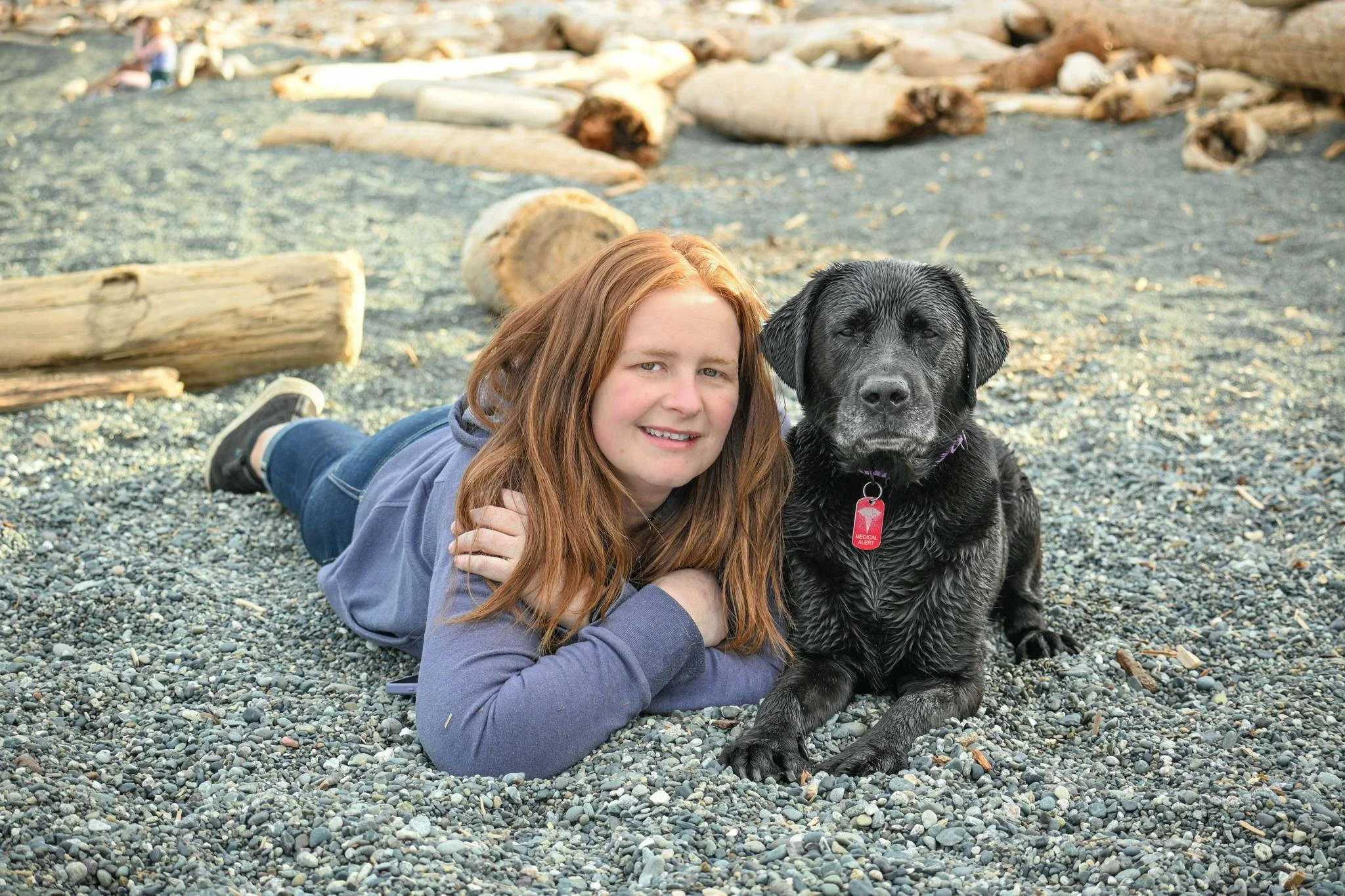
I have been a Trupanion customer for over ten years, insuring multiple dogs throughout that time. All of my dogs are currently insured with them, including my service dog Buttons, who has been covered for almost seven years. Over the years, we have made the occasional claim, and I have also experienced the benefits of insurance for dogs with ongoing medical conditions, including one of my dogs who has epilepsy.
But nothing could have prepared me for what happened with Buttons this year.
In 2026 alone, Trupanion has paid $109,533.36 towards just one of Buttons’ medical conditions, bringing her lifetime insurance payouts to $123,149.93.
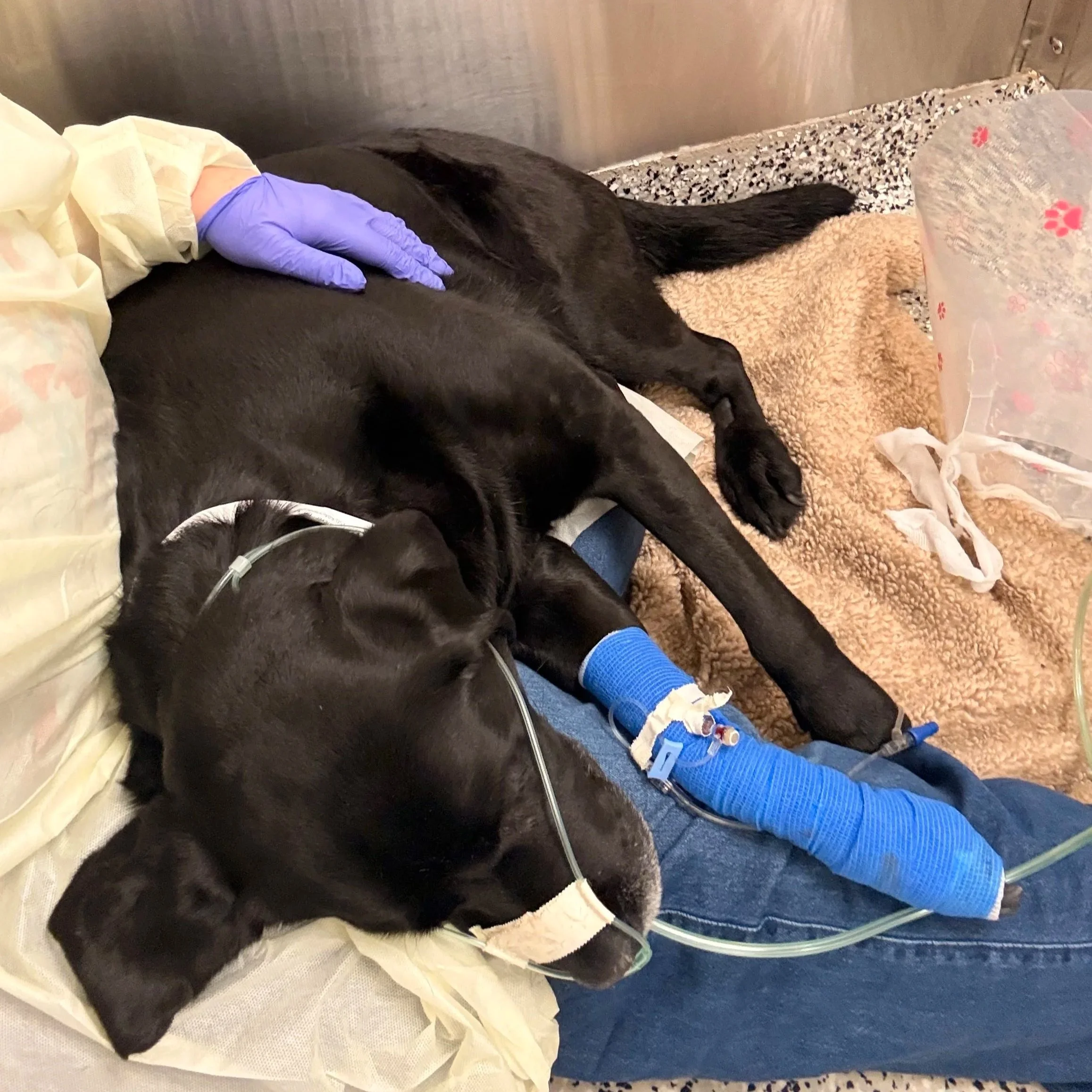
For almost seven years, Buttons had needed relatively little from her insurance. Then, in a matter of months, she required three stays in intensive care, extensive investigations, specialist procedures and ongoing medical treatment. Those numbers are almost impossible for me to comprehend, but this isn’t really a story about money. It’s about what that money made possible.
Buttons has spent the last six years supporting me as my medical alert and mobility assistance service dog, helping me navigate my medical conditions and giving me independence that I wouldn’t otherwise have. This year, our roles were reversed, and suddenly she was the one who needed me.
Without the financial support of Trupanion, I genuinely do not believe Buttons would still be here with me today.
After more than a decade of being a customer, I have experienced both the everyday reality of paying premiums when you rarely need to claim and the extraordinary difference insurance can make when everything goes wrong.
And that is why I wanted to share our story. Not to convince everyone that they must have pet insurance, but to explain what it has meant for us and why I am so grateful that I made that decision all those years ago.
When Everything Changed
Buttons’ medical journey this year has been something I could never have anticipated. What started as medical concerns developed into an incredibly complicated and emotionally exhausting experience involving multiple specialists, emergency appointments, hospitalisations, investigations, procedures and ongoing treatment.
She has spent time in intensive care on three separate occasions, undergone MRIs, scopes, surgical procedures, extensive blood testing and more investigations than I can begin to count. There have been complications, difficult decisions, sleepless nights and moments when I genuinely didn’t know whether she was going to make it.
For anyone who has ever had a seriously unwell dog, you will understand just how heartbreaking that experience can be. But there is another layer to this when the dog who is unwell is your service dog.
Buttons has spent years looking after me, supporting me through my medical challenges, alerting me, helping me and giving me the confidence to navigate the world. Suddenly, I was having to navigate those same challenges without her support, while also trying to be there for her in every way she needed.
It has been one of the hardest years I have experienced with any of my dogs, and although we have made progress, we are still navigating her medical journey. She may never return to working as a full-time service dog. She may be able to do some occasional tasks when she is feeling well enough, or she may simply spend the rest of her life enjoying being my dog. Whatever that looks like, I am incredibly grateful that she is still here to have that future.
Putting the Numbers Into Perspective
I think sometimes when we talk about veterinary expenses, it is difficult to truly understand just how quickly those costs can add up.
For Buttons, one medical condition alone has resulted in $109,533.36 in insurance payouts this year, accounting for almost 89% of everything Trupanion has paid towards her veterinary care throughout her entire insured life.
Her total lifetime payouts now stand at $123,149.93, with the remaining $13,616.57 including claims from previous years and treatment for her separate eye condition this year.
What makes this particularly striking is that Buttons had been insured for nearly seven years before this happened. For most of that time, we barely needed to make a claim, and if I had looked purely at the money going out in monthly premiums, I might have questioned whether it was worthwhile. But insurance isn’t really about getting back what you pay in. It’s about having financial protection against something you hope will never happen.
For Buttons, that meant being able to access intensive care, specialist investigations, procedures and treatments that I simply would not have been able to fund myself. And the expenses haven’t stopped now that she is home. Her medications alone currently cost approximately $1,000 a month, before follow-up appointments, blood testing, specialist consultations or any additional procedures she may require. Some of those medications may be temporary, while others could be part of her care for the rest of her life.
This is something I think we sometimes overlook when discussing veterinary emergencies. It isn’t always one unexpected bill that you need to prepare for. Sometimes it is months or years of ongoing treatment, and the financial commitment can be far greater than you ever imagined.
What I Value About Trupanion
One of the biggest benefits of Buttons’ Trupanion policy is how the deductible works. Rather than resetting every year, we have a deductible for each new eligible condition. Because so much of Buttons’ treatment has been connected to the same underlying medical condition, we have only needed to meet that deductible once for those related expenses.
After that, Trupanion has covered 90% of eligible veterinary treatment costs, subject to our policy terms. Of course, that doesn’t mean we have paid nothing. We are still responsible for our 10% share, applicable taxes and anything that isn’t covered. With the amount of veterinary care Buttons has needed, our portion has still been substantial.
Her separate eye condition also has its own deductible, and eligible treatment for that condition can continue to be covered once that deductible has been met. Another important factor for me is that Trupanion doesn’t have annual or lifetime payout limits. Provided the policy remains active and treatment meets the policy terms, eligible care for a covered condition can continue throughout a dog’s life. That is particularly valuable for dogs with chronic medical conditions. One of my other dogs has epilepsy, and having insurance to help with eligible ongoing medication and treatment has made managing that condition much easier financially.
Beyond the coverage itself, I have genuinely appreciated the support we have received from Trupanion throughout this year. Being able to contact someone 24 hours a day, whether by phone or online, has been incredibly helpful, particularly when sitting in an emergency veterinary hospital trying to understand what the next steps might involve.
We have also had support from local representatives, and I have appreciated the personal communication and the times people have checked in to see how my dogs are doing.
Now, I am not going to pretend every claim has always been completely straightforward. There have been occasions when I have needed to ask questions, provide additional information or appeal a decision about something that wasn’t initially covered.
I think anyone who has dealt with insurance understands that sometimes there are conversations to be had about claims and policy wording. What has mattered to me is that I have been able to speak with people who have helped me work through those concerns. I can only speak from my own experience, but after more than ten years as a customer, and particularly after everything Buttons has been through this year, I am incredibly grateful for the support Trupanion has provided.
The Reality of Veterinary Costs
Veterinary medicine has developed enormously, and we now have access to incredible diagnostic equipment, specialist procedures and treatments that can save lives and improve our dogs’ quality of life.
But that level of care comes at a cost.
An MRI or CT scan can cost $6,000 or $7,000, sometimes more, depending on the facility and complexity of the case. Specialist orthopaedic surgery can easily reach $8,000 to $10,000 or more, and intensive care can become extremely expensive when a dog requires around-the-clock monitoring and treatment. I know rising veterinary costs are a source of frustration for many dog owners, and I completely understand that. When your dog is unwell and you are already emotional, being presented with a bill for thousands of dollars can feel overwhelming.
I am a huge supporter of independently owned veterinary clinics, and I feel incredibly fortunate to have found some wonderful veterinary professionals who have gone above and beyond for my dogs. I particularly value having a veterinary team that knows my dogs, understands their medical history and takes the time to look at the bigger picture. In my experience, some independent clinics also offer very competitive pricing compared with larger corporate-owned practices. That isn’t to say corporate practices cannot provide excellent care, because there are wonderful veterinarians working in both, and sometimes specialist or emergency care is only available through a larger hospital. We have also been fortunate enough to find independent emergency veterinary facilities, where the personal care and communication we received made an enormous difference during some incredibly difficult moments.
Ultimately, regardless of where you receive veterinary care, the costs of treating a seriously unwell dog can escalate quickly, and I think that is something every dog owner should consider when deciding how to prepare financially.
The Emotional Difference Insurance Has Made
There is something I think is important to acknowledge when talking about pet insurance, and that is the emotional impact of having financial support when your dog is seriously unwell.
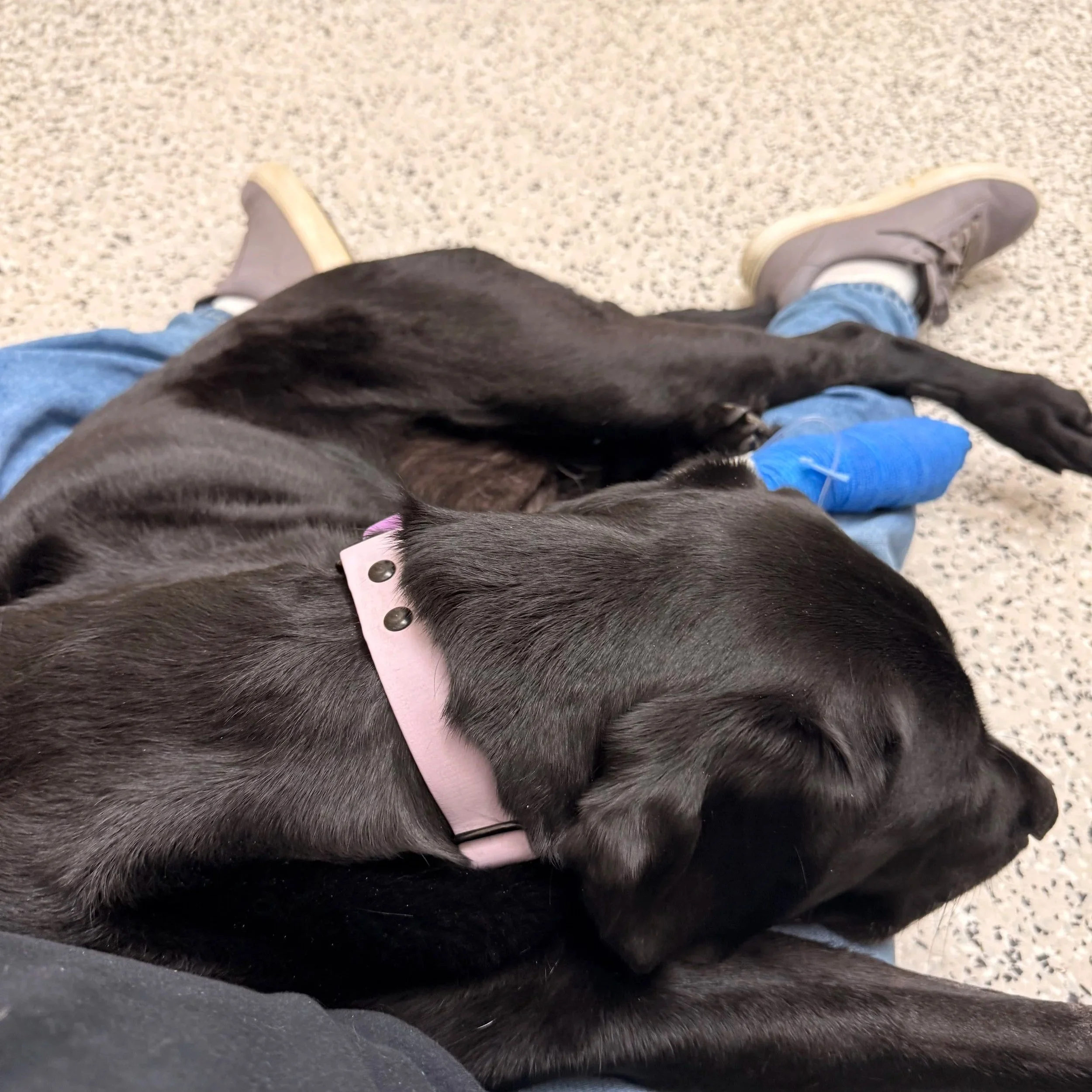
When Buttons was in intensive care, I was frightened, exhausted and trying to understand complicated medical information while making decisions about treatment. I was waiting for phone calls, worrying about test results and wondering what the next day would bring. At the same time, I was having to manage my own medical conditions without the dog who had spent years supporting me. It has been an incredibly difficult experience, and insurance certainly hasn’t taken away the fear, sadness or uncertainty.
But it has removed one enormous additional burden.
When the veterinarians discussed another investigation, procedure or night in intensive care, I was able to focus on whether that treatment was medically appropriate, whether it was in Buttons’ best interests and whether it offered her a reasonable opportunity for recovery and a good quality of life. I didn’t have to make those decisions entirely based on whether I could afford the next bill.
And that is something I cannot put a price on. There are no guarantees in veterinary medicine, and having insurance doesn’t mean every treatment is going to work or that every medical condition can be resolved. But it has given us the opportunity to explore appropriate treatment options without the full financial burden falling on us.
For me, that has been one of the most valuable parts of having it.
So, Is Pet Insurance Worth It?
For me, the answer is an overwhelming yes, but I still believe this is an individual decision.
Some people have savings specifically set aside for their animals. Some have the financial ability to manage large, unexpected veterinary bills without insurance. Others may find that monthly premiums are difficult to afford, particularly if they have multiple pets. Insurance itself is not without limitations either. Different companies offer different policies, deductibles, reimbursement percentages, exclusions, waiting periods and coverage for ongoing conditions. Pre-existing conditions may not be covered, and premiums can change over time.
It is important to understand exactly what you are purchasing, what is covered, what isn’t covered and what you would still be responsible for paying.
But I would encourage everyone to ask themselves one question.
If your dog needed $10,000, $20,000 or even $50,000 in veterinary treatment tomorrow, what would your plan be?
Perhaps you have savings available, perhaps insurance is the right choice for you, or perhaps you have another financial arrangement in place. There isn’t one answer that works for everyone. The important thing is having considered it before you find yourself in an emergency, because those decisions become so much harder when your dog is unwell and time is limited. Looking back, it would have been easy to question whether paying Buttons’ insurance premiums for nearly seven years was worthwhile when we were barely making claims. But knowing what I know now, I would pay every single one of those premiums all over again without hesitation. Because those payments meant that when Buttons needed help, we had access to care that I simply couldn’t have afforded otherwise.
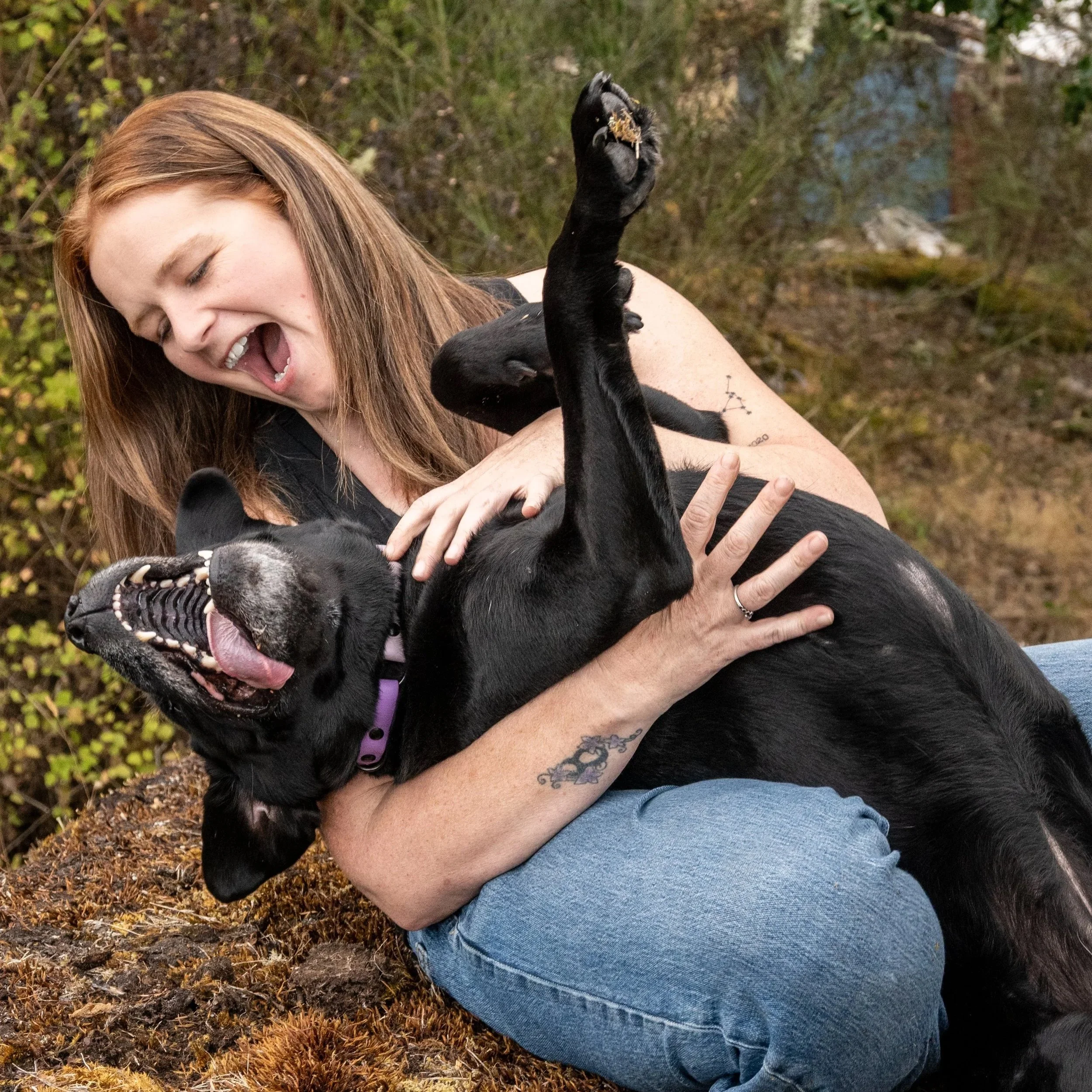
Her future may look different from what I once imagined, and we may have to continue adapting to her medical needs as we move forward, but she is still here, enjoying her life, spending time with our family and doing the things that make her happy.
To Trupanion, thank you for the support you have provided throughout this incredibly difficult year, for helping us access the care Buttons has needed and for giving us the opportunity to continue making memories together. And to everyone who is currently navigating serious illness with their own dog, whether you have insurance or not, I know how frightening, exhausting and heartbreaking that journey can be.
As for Buttons and me, we are taking things one day at a time, celebrating the little victories and appreciating every moment we still get to share.
My biggest takeaway isn’t that everyone needs pet insurance. It’s that every dog owner needs to think about how they would manage the unexpected, because sometimes the cost of veterinary care is far greater than we could ever imagine.
For me, that preparation came in the form of insurance, and it has given me something that no amount of money could ever replace.
More time with my girl.
This blog reflects my personal experience with pet insurance and Trupanion. Coverage, exclusions, deductibles and reimbursement arrangements depend on the individual policy. I encourage everyone to review their options carefully and make the decision that is right for their circumstances and their dogs.